
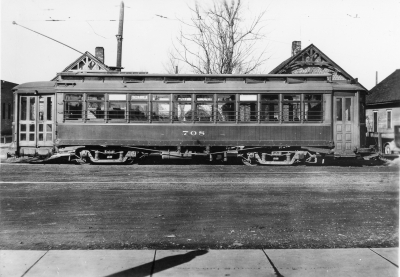
In the early hours of December 04, 1918 the union members of the Omaha & Council Bluffs Street Railway Company initiated a strike “in an effort to force the company to recognize the closed shop system”.1 The closed shop system is the practice of employers prioritizing hiring union members, and to reduce the “excessive hours”1 the car men were working to support the domestic war effort. The strike’s timing was influenced by the signing of the armistice to the end the hostilities of World War I on November 11, 1918 with the carmen’s union stating “Now that arms are laid down, we feel ourselves free to go ahead and work for better working conditions”.1
The strike commenced around 3:00 a.m. December 04, 1918. The method of the strikers was to stop all passenger street cars in both Council Bluffs and Omaha while allowing for mail deliveries and troop transports to continue unhindered. The union men were instructed by executive officials to “not use any rowdy methods, throw bric-bracs or interfere with the public”1 to avoid turning the public against their plight. One union man interviewed by the Nonpareil stated that they were “instructed to act as gentleman in everyway. But he intimated that they would simply stop any cars from leaving the barn”.1 However these instructions for restraint did not stop some flare ups of conflict during the initial implementation of the car stoppage.
The first incident occurred in Omaha when a car on the Ralston line running at twenty sixth and q streets was stopped by packing employees, in solidarity with the strike. They attempted to tip the car, but were stopped by the union men running the car who were not informed of the strike due to them being on the line when it was announced.
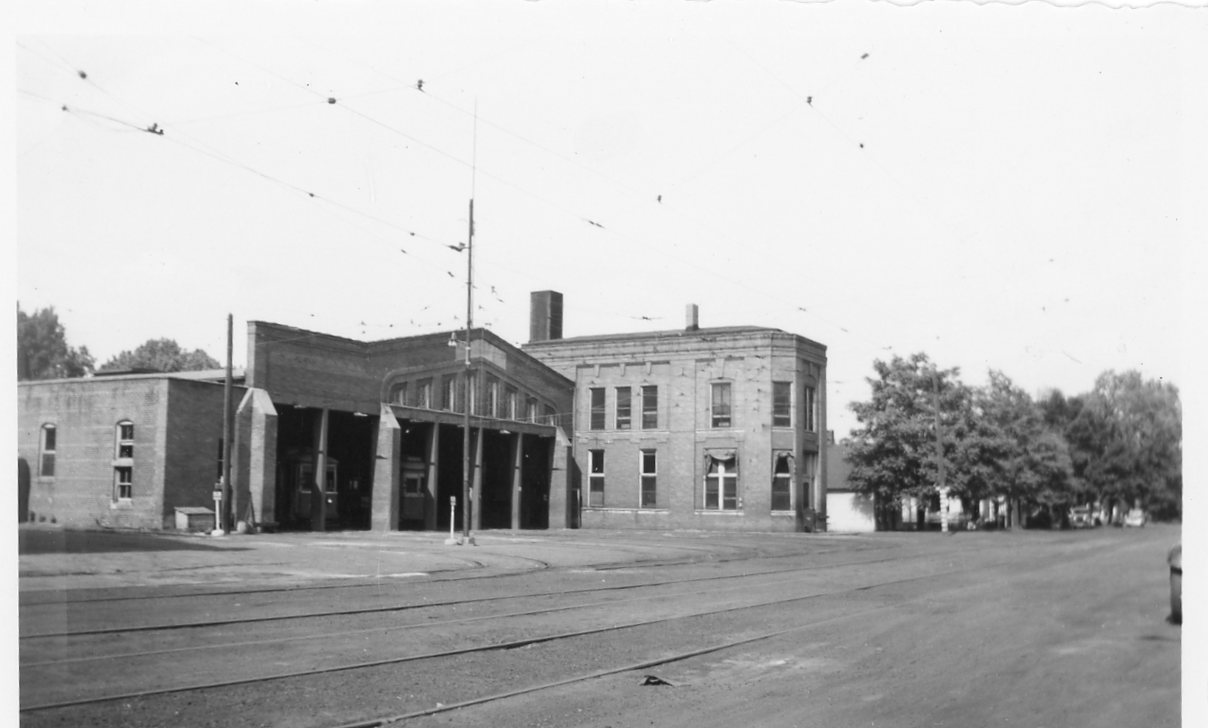
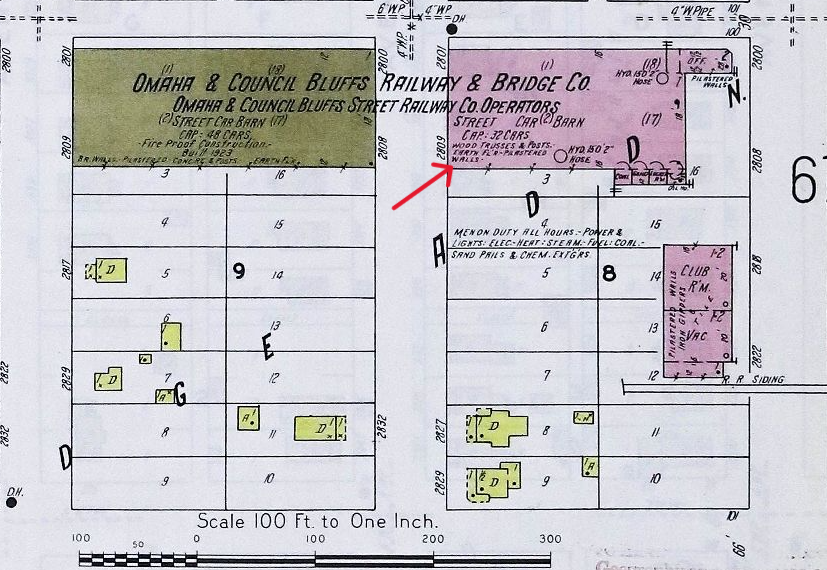
The second incident occurred at the Council Bluffs car storage barn, on 28th Street and Avenue A, when company officials’ attempts to remove cars from the barn were prevented. These attempts resulted in the injury of Thomas Radcliffe, the Nonpareil reported. “One conductor, Thomas Radcliffe 2528 Avenue A, being pulled from a car and being badly bruised. His condition was so serious that he had to be taken to the hospital”.1 The second effort to remove cars was again averted with the strikers succeeding in “removing several employees of the barn and a company detective from aboard a car and blockaded the track”.1 No injuries were reported during this attempt.
The last injury reported was Frank Thorne, a 30 year employee of the Council Bluffs and Omaha street car system. It was reported that Thorne was "brutally assaulted by several car men near the car barns during fore-noon Wednesday”.1 These initial incidents of violence led to the company decision to suspend service. Omaha & Council Bluffs Street Railway Co. General Manager Leussler stated the reasoning as “rather than subject the men willing to work to any violence the company will abandon any attempts to run cars for the next few days or until such a time as a definite agreement can be reached”.1
The effects of the strike and company’s reaction were felt immediately by the public, “Hundreds of Bluffs people were late for work this morning. Thousands were forced to walk to the office, factory, or other place of daily occupation and the sharp curtailment of the car service threw things into pretty much of a hub-bub”.1 The community response to this hindrance was to call for local trucks and automobiles to aid the morning commuters. Some Omaha companies hired drivers to come to Council Bluffs to pick up employees who lived in the area. The usage of automobiles for commuting foreshadows the eventual decline and dismantling of the street car service in the mid 1900’s in favor of personal automobiles and buses. The calls for negotiation began shortly after the strike began with the union leaders requesting a meeting with company executives and the owner of the Omaha & Council Bluffs Street Railway Company Gurdon W. Wattles.
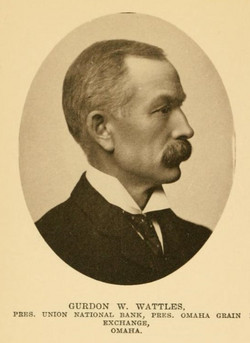
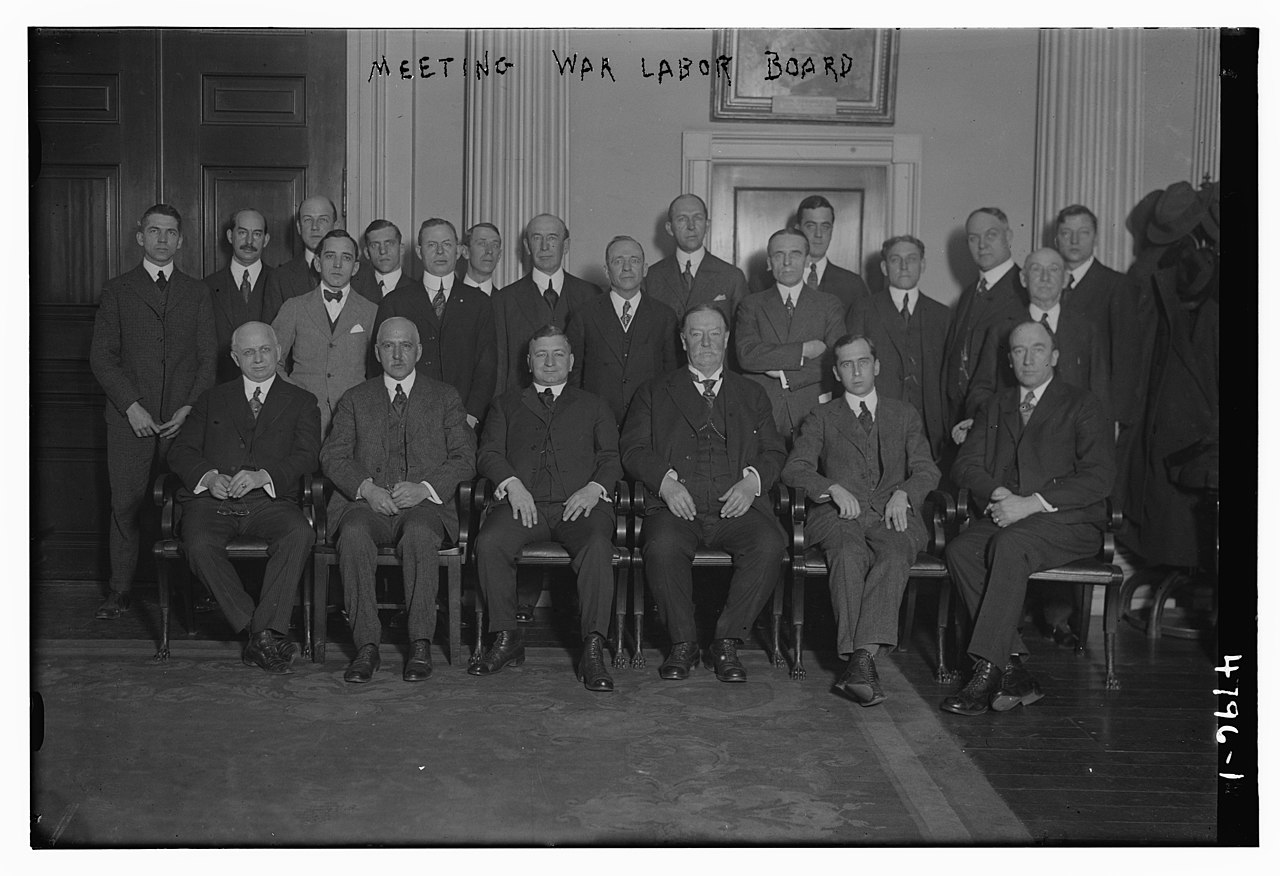
Wattles was a New York native that arrived in Omaha in 1892 and quickly became a financial and business leader. In 1892, Wattles became the vice president of Omaha’s Union National Bank and in 1898 he spearheaded the development of the Trans-Missippi International Exposition, “It stretched over an 180-acre tract in north Omaha and featured 2,000 feet-long lagoon which was encircled by 21 classical buildings exhibiting the world’s finest and modern products”.2 This project bolstered the local economy driving tourism to Omaha and Council Bluffs; this success allowed Wattles, in 1901, to consolidate the fragmented street car system under one company, the Omaha & Council Bluffs Street Railway Company. Wattles' relationship with organized labor was hostile, as shown in the 1909 Street Car strike, which was quickly crushed using strikebreakers brought in from out of state. With the fierce handling of the 1909 strike, the demands for the 1918 strikers would fall on deaf ears with Wattles being quoted in response to the car men’s union’s demands “he did not think he would sign any written agreement, as he had never entered into a contract with organized labor and did not intend to”.1 The decision not to negotiate an agreement with the car men’s union was supported by previous decisions of the National War Labor Board (NWLB), a federal organization dedicated to arbitrate labor disputes during World War I, with Wattles stating agreeing to contracts would violate the NWLB’s current agreement. This reasoning by Wattles would set the pace for the duration of the strike with several back and forth from the NWLB requesting the Union men to return to work and wait for further arbitration. While the language of union leadership was resolute in their demands with Carmen’s Union President Ben Short declaring, “The men know what they are after and they are going to get it. Their minds have been made up for a long time: some as long as thirty years. We are stronger than we started”.3 The strike lasted only 9 days even with this enthusiasm and widespread support among union members having over 800, 95% of employees, signatures in Omaha and every Council Bluffs employee having signed support for the strike.
For the nine days of the strike the Union would continue without further incidence of physical confrontation. There was one incident where “someone scattered a large quantity of glass upon the highway from the Douglas street bridge to the Northwestern Station in Council Bluffs. It is alleged that no automobile could possibly get through without damaging tires”4, it was estimated to be at least a ton of glass. It was suspected by the Nonpareil that the glass was placed there to disrupt jitney service taking passengers between the cities.
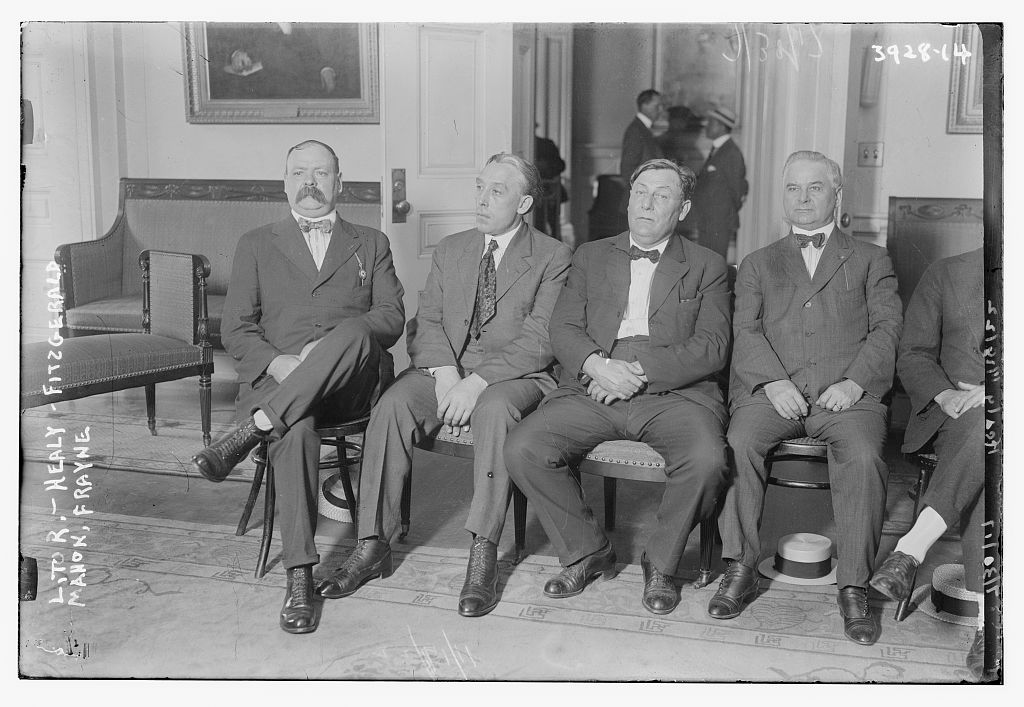
The strike would come to an end after a telegram from W. C. Mahon President of the National Street and Electric Carmen’s union who “advised the men to return to work immediately and assured them the war labor board representatives, Messrs, Taft, and Manly and himself would be in Omaha January 2 and arbitrate fairly upon the points at issue”.5 While the street car service resumed on December the 12 to much relief from the public the attitudes between the union and company remained tense with Wattles suggesting the removal of Ben Short from the carmen’s union. Wattles had “two carloads of strike-breakers sent to Omaha by the Theil Detective agency of St Louis”5 ready to be used if the arbitration from NWLB was not agreed to. The strike ended without an acknowledgement of the union and keeping the street car service an open shop organization would deepen the frustrations felt by union members with these unrealized demands culminating in the 1935 street car strike that would see the Nebraska national guard bought into the metro.
Sources:
1 Daily Nonpareil article 12-04-1918
2 Reeves, Roger Historical Nebraska: Omaha Douglas County. University of Nebraska-Lincoln, 1997 http://casde.unl.edu/history/counties/douglas/omaha/
3 Daily Nonpareil article 12-06-1918
4 Daily Nonpareil article 12-11-1918
5 Daily Nonpareil article 12-13-1918